Oxford Quantum Circuits launches first enterprise ready platform and increases Series B round to $100m
OQC, the global leaders in quantum compute-as-a-service (QCaaS), today announced the public availability of OQC Toshiko


OQC, the global leaders in quantum compute-as-a-service (QCaaS), today announced the public availability of OQC Toshiko
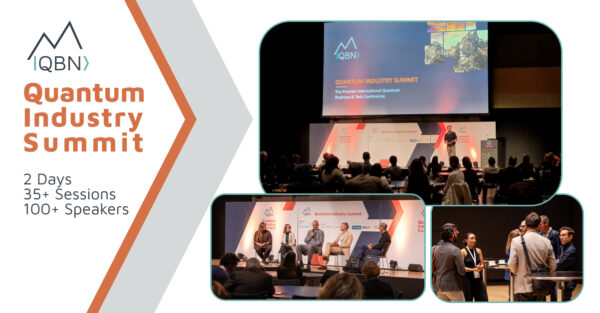
The highly anticipated QBN Quantum Industry Summit, the premier international

Quandela, the European leader in photonic quantum computing, has successfully secured over €50 million from investors

ParityQC has been appointed by the German Aerospace Center (DLR) to develop new methods of molecular simulation on quantum computers.
We warmly welcome our new member Qlibri GmbH to QBN! Qlibri
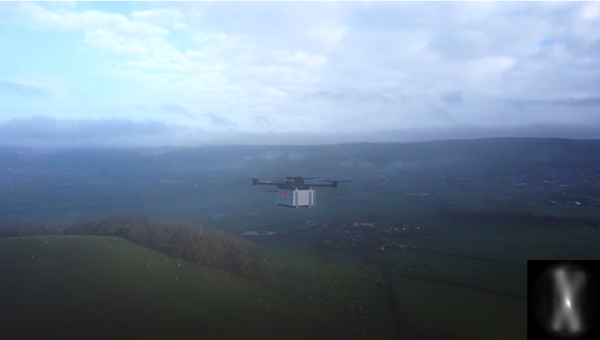
Aquark Technologies has successfully demonstrated continuous trapping of cold atoms suitable for sensing while flying on a drone.
We warmly welcome our new member ColibriTD to QBN! ColibriTD is
Quandela , the European leader in photonic quantum computing, has delivered its first quantum computer, MosaiQ, to one of OVHcloud datacenters.
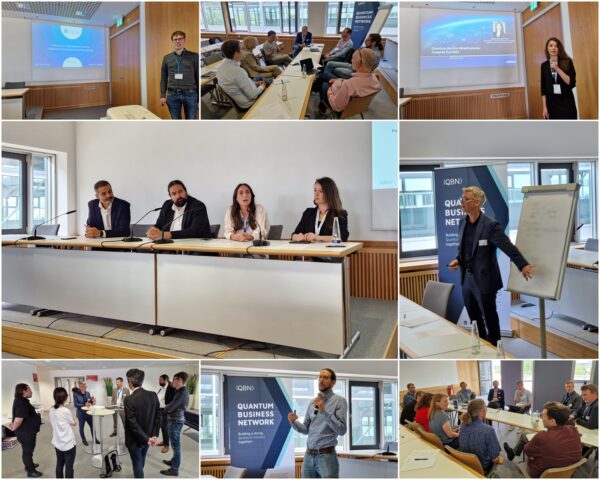
Harnessing the Potential of Quantum Communication We are thrilled to
We warmly welcome our new member QAI Ventures to QBN! QAI

We warmly welcome our new member SandboxAQ to QBN! SandboxAQ is
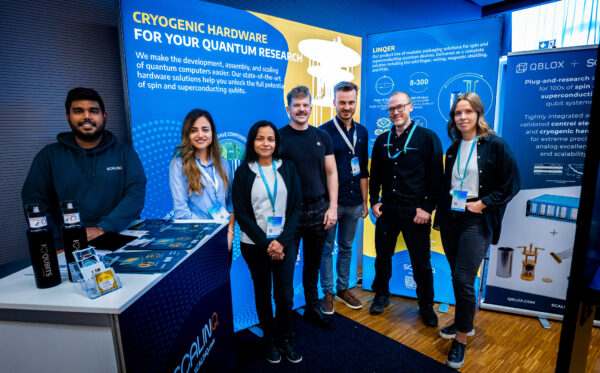
Gothenburg, Sweden / Delft, the Netherlands – SCALINQ, the Swedish research-based spin-off from Chalmers University of Technology, is delighted to share the news of its partnership with Qblox.
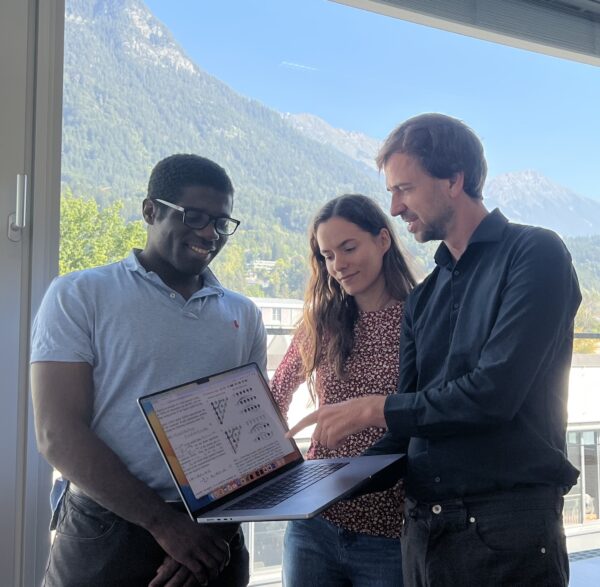
A group of physicists within ParityQC and the University of Innsbruck have developed a novel strategy to mitigate errors in quantum computers, based on the ParityQC Architecture.
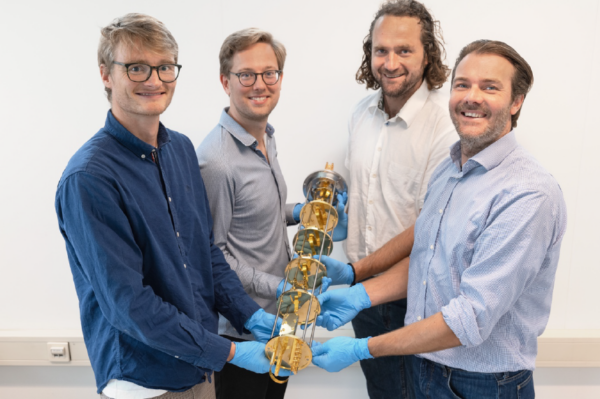
Scaleup Delft Circuits is a high-tech supplier in the emerging quantum industry. Its unique cabling platform Cri/oFlex® uses thin flexible superconducting circuits for data transfer into the quantum system.
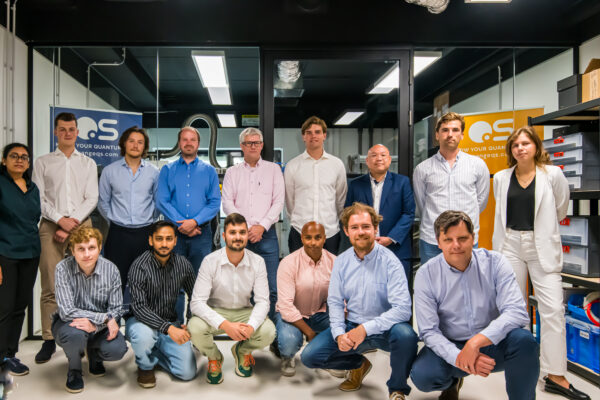
Orange Quantum Systems solves a major bottleneck in developing quantum chips: getting them tested efficiently, thus accelerating the growth of the quantum industry
We warmly welcome our new member QPerfect to QBN! QPerfect provides
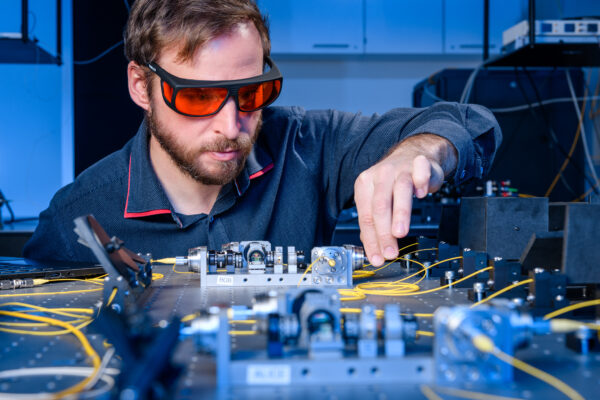
Fraunhofer IIS/EAS in Dresden is further expanding the Application Center “Design of Scalable Electronic Systems for Quantum Communication”
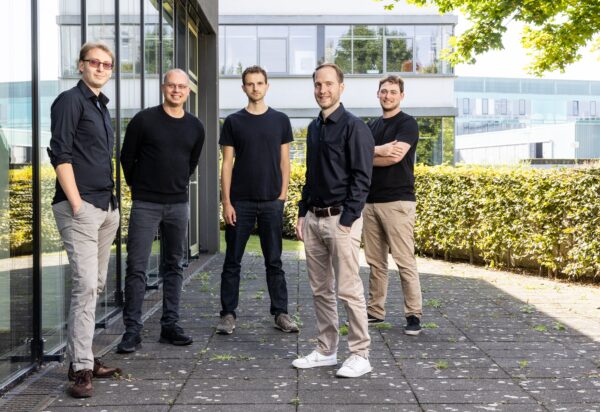
el Photonics, a spin-off from the Department of Physics at Westfälische Wilhelms-Universität Münster founded in 2020, recently raised €1.45 million in a funding round to further develop its single photon detection and counting technology.
We warmly welcome our new member QuEra Computing Inc. to QBN!
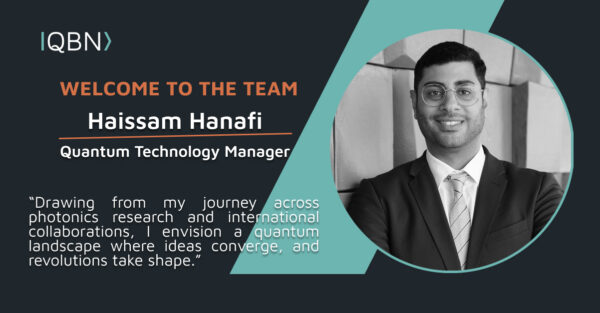
As Quantum Technologies Manager, Haissam will be supporting QBN’s transformative
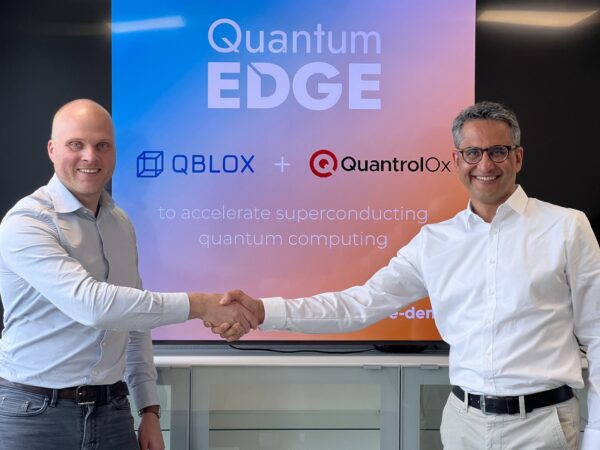
August 10, 2023- Espoo, Finland / Delft, the Netherlands QuantrolOx,
We warmly welcome our new member Quantum Transistors to QBN! Quantum
We warmly welcome our new member Oxford Quantum Circuits to QBN!

QuiX Quantum introduces Kathy Willing as newly appointed Chief Financial Officer.
